Clara Krause · 2 September 2026
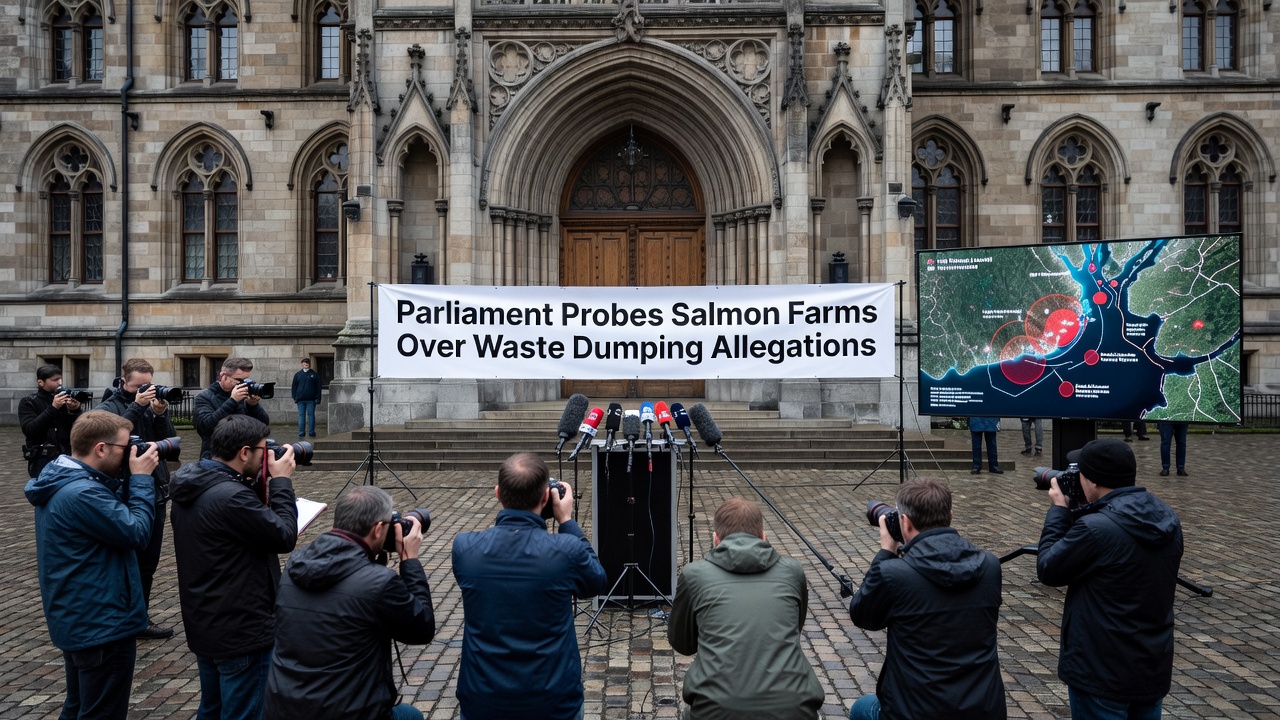
The House of Commons Environment Committee has announced a comprehensive probe into the dumping of waste from salmon farms. This development comes amid growing public concern over pollution in UK waters. Officials aim to determine the extent of any regulatory breaches and their environmental consequences.
Key Areas Under Scrutiny
Investigators will focus on the disposal of fish waste, chemicals, and other byproducts generated by intensive salmon farming. Evidence suggests that some operations may have exceeded permitted limits for effluent discharge. Experts in marine biology will be called upon to assess damage to seabeds and water quality. The probe also seeks to evaluate the effectiveness of current monitoring systems employed by authorities.
Parliamentarians have requested detailed reports from the Environment Agency and Scottish Environmental Protection Agency. These documents are expected to reveal patterns of non-compliance over the past five years. Public hearings will allow stakeholders to present their perspectives on the matter.
Potential Outcomes and Reforms
Should the inquiry uncover systemic issues, it could lead to significant changes in how salmon farms are regulated. Proposals may include enhanced licensing procedures and increased funding for enforcement activities. Industry leaders have expressed willingness to collaborate but stress the economic importance of the sector to rural economies.
Environmental organizations have long campaigned for stricter controls, citing incidents of algal blooms linked to nutrient pollution from farms. The parliamentary process is seen as an opportunity to address these longstanding grievances. Final recommendations are due within six months, potentially shaping future government policy on sustainable aquaculture.
Meanwhile, affected coastal communities await the results with anticipation. They hope for measures that protect local livelihoods dependent on clean seas. The inquiry marks a critical juncture in the ongoing debate surrounding salmon production practices in the United Kingdom.
Salmon farming has expanded rapidly in recent decades, contributing substantially to food supply and exports. However, this growth has brought challenges related to waste management that require urgent attention from policymakers.
The committee chair emphasized the need for transparency throughout the process to maintain public trust in regulatory frameworks.